


 Promisedland Casket
Losing a loved one can be overwhelming. During the first few hours after a death, emotions may make it difficult to think clearly or decide what needs to be done first.
While every family's circumstances are different, several important steps should be taken within the first 24 hours so that the deceased is cared for respectfully and the necessary arrangements can begin.
This guide explains what to do after someone dies in Singapore. Families requiring immediate assistance can learn more about our funeral services in Singapore.
This guide is part of our complete funeral services overview -- covering packages, religious traditions, venues and pricing for every stage of the process.
Begin here
Immediate Steps After Someone Passes Away
The first priority is to remain calm and make sure everyone present is safe and supported. Consider asking a trusted relative or close friend to stay with the family and help with phone calls, documents and practical arrangements.
Avoid feeling pressured to decide every funeral detail immediately. Certain matters should be handled promptly, but decisions about flowers, catering, photographs, programme booklets and other arrangements can usually wait until the essential steps are complete.
Step 1
Confirm the Death
The correct first step depends on where and how the person passed away.
If the Death Occurs in a Hospital
Hospital staff will guide the family through the medical and administrative procedures. The attending doctor will determine and certify the cause of death where appropriate.
The family can then contact a funeral service provider to arrange for the deceased to be transferred into the funeral director's care.
If the Death Occurs at Home
Contact the deceased's regular doctor if the person had been receiving medical care and the death was expected. The doctor will advise whether they can certify the death.
If the death was sudden, unexpected or the circumstances are unclear, contact the relevant emergency services and follow their instructions. Do not move the deceased or disturb the surrounding area unless instructed to do so.
For a more detailed explanation, read our guide on what to do when someone dies at home.
Step 2
Inform Immediate Family Members
Notify the people who need to know first, beginning with the deceased's spouse, children, parents or other immediate family members.
It may help to appoint one trusted person as the main family contact. That person can update relatives and friends while the closest family members focus on the immediate arrangements.
- The deceased's spouse or partner
- Children and parents
- Siblings and close relatives
- Close friends
- A religious leader, where applicable
- The deceased's employer
Avoid posting the news publicly until close family members have been informed personally.
Step 3
Locate Important Documents
Gather the essential documents that may be required for the funeral and later administrative procedures.
- NRIC or passport of the deceased
- Identification of the next of kin
- Medical documents, where available
- Any pre-arranged funeral plan
- Insurance documents
- The deceased's will, if one exists
- Contact details for the family doctor
- Religious or burial instructions left by the deceased
Do not panic if every document cannot be found immediately. Start with the deceased's identification and ask the funeral director which documents are urgently required.
You may also refer to our guide on what documents are needed after a death.
Step 4
Contact a Funeral Service Provider
Once the appropriate medical procedures have been completed, contact an experienced funeral service provider.
- Transfer and transportation of the deceased
- Care and preparation of the deceased
- Embalming, dressing and placement in the casket where required
- Selection of an appropriate Singapore casket
- Wake and funeral arrangements
- Religious or non-religious ceremonies
- Booking a funeral venue or parlour
- Cremation or burial arrangements
- Flowers, transport, catering and memorial items
- Guidance on the documents required
Learn more about our complete range of funeral services and the support available for families.
Families comparing providers may also find our guide on how to choose a funeral director helpful.
Need Immediate Funeral Assistance?
Our funeral directors are available to guide your family through the necessary arrangements with care and discretion.
Step 5
Consider Religious and Cultural Traditions
Religious and cultural requirements may affect how quickly the deceased should be prepared, where the wake is held and what ceremonies need to be conducted.
Speak with close family members about the deceased's faith, personal wishes and any instructions that may have been left behind.
A funeral director can also coordinate with the church, clergy, celebrant or other representatives involved in the service.
Step 6
Decide Where the Wake Will Be Held
The wake may be held at a funeral parlour, church, private venue, residential location or another suitable space.
- The expected number of visitors
- Religious requirements
- Accessibility for elderly family members
- Parking and public transport
- Air-conditioning and visitor comfort
- Private family areas
- Operating hours and venue restrictions
- Availability on the required dates
Browse our guide to funeral parlours to understand the available venue options.
Some families choose to forgo an extended wake altogether in favour of a simpler direct funeral.
Step 7
Inform Employers, Schools and Care Providers
Immediate family members may need compassionate leave or time away from their usual responsibilities.
- The deceased's employer
- The employers of immediate family members
- Schools attended by the deceased's children
- Caregivers or domestic helpers
- Medical or care facilities
- Any organisation expecting the deceased to attend an appointment
A brief notification is usually sufficient during the first day. More formal documentation can generally be supplied later if requested.
Step 8
Secure the Deceased's Personal Belongings
Keep important belongings and documents in a secure location. It is helpful to record who is holding each item, particularly when several family members are involved.
- Wallet and identification documents
- Mobile phone and computer
- House and vehicle keys
- Jewellery and valuables
- Bank cards and cheque books
- Medication
- Insurance and property documents
- Personal notebooks or written instructions
Do not access, transfer or dispose of assets simply because you are in possession of them. Ownership and legal authority may need to be determined during the estate administration process.
Step 9
Avoid Making Major Financial Decisions
The first day after a death is not usually the right time to distribute assets, close accounts or make irreversible financial decisions.
- Distributing money or personal belongings
- Closing the deceased's bank accounts
- Selling a property or vehicle
- Cancelling insurance policies
- Using the deceased's bank cards
- Signing documents without understanding them
- Destroying paperwork or digital records
Where a valid will exists, a Grant of Probate may be required before an executor can administer certain assets.
Where there is no will, the appropriate person may need to apply for Letters of Administration.
Step 10
Take Care of Yourself and Your Family
Grief can affect concentration, memory, appetite and decision-making. Family members should not expect themselves to manage every task alone.
- Drink water
- Eat something light
- Rest whenever possible
- Take prescribed medication
- Ask relatives or friends for practical help
- Write down important decisions and telephone numbers
- Avoid driving if you are too distressed or tired
Families needing further emotional support may refer to our guide on bereavement support in Singapore.
Practical reference
First 24 Hours After a Death Checklist
Use this checklist as a simple reference during the first day.
You can also refer to our checklist after a loved one passes away for a more detailed reference.
Reduce the pressure
Decisions That Can Usually Wait Until Later
Although some arrangements must begin promptly, families usually do not need to finalise every detail during the first few hours.
- Choice of casket
- Flower arrangements
- Funeral photographs and memorial displays
- Food and refreshments
- Funeral programme design
- Obituary notices
- Transport for family members
- Selection of hymns, readings or music
- Thank-you messages
- Post-funeral memorial arrangements
Read our guide on how to plan a funeral in Singapore for a more complete overview.
Looking forward
Planning Ahead for the Future
Some families choose to discuss funeral wishes in advance so that loved ones do not need to make every decision during a period of grief.
Learn more about funeral pre-planning and how advance arrangements can help families understand a person's wishes before the need arises.
Common questions
Frequently Asked Questions
What should I do first when someone dies?
The first step depends on where and how the death occurred. If the person passes away in a hospital, follow the instructions provided by hospital staff. If the person passes away at home, contact the appropriate doctor or emergency services.
When should I contact a funeral director?
A funeral director can be contacted as soon as the appropriate medical procedures are underway or completed. The funeral provider can explain what information is needed and arrange the transfer of the deceased when permitted.
Do I need to decide every funeral detail immediately?
No. Begin by sharing the deceased's location, religion, preferred wake location and any known wishes. The funeral director can then explain the suitable options.
What documents should I prepare?
Start with the deceased's NRIC or passport and the identification of the next of kin. Other documents may include medical records, pre-planned funeral instructions, insurance documents and the deceased's will.
Where can a funeral wake be held?
A wake may be held at a funeral parlour, church, residential location or another suitable venue. Visit our funeral parlours page to learn more.
How much does a funeral cost in Singapore?
Funeral costs vary depending on the wake duration, venue, casket, religious arrangements, transport and additional services selected.
Read our guide to funeral costs in Singapore for a clearer explanation of common cost components.
What usually happens during a funeral wake?
A funeral wake gives relatives and friends an opportunity to pay their respects, support the family and participate in prayers, services or remembrance activities.
Read our guide on what happens during a funeral wake.
How can I speak with a funeral director?
Visit our contact page to reach the Promisedland Casket funeral team.
Final guidance
Take One Step at a Time
The first 24 hours after losing a loved one can feel confusing and emotionally exhausting. Focus on the essential steps: contact the appropriate medical professional or authority, inform immediate family members, locate the necessary identification and speak with a trusted funeral director.
Everything does not need to be decided at once. Record important information and allow relatives and friends to assist with practical tasks.
Learn more about Promisedland Casket or contact our funeral directors for assistance.
Continue Your Planning

What to Do When Someone Dies at Home
Understand who to contact, what not to move and how the next steps differ from a hospital death.
Read article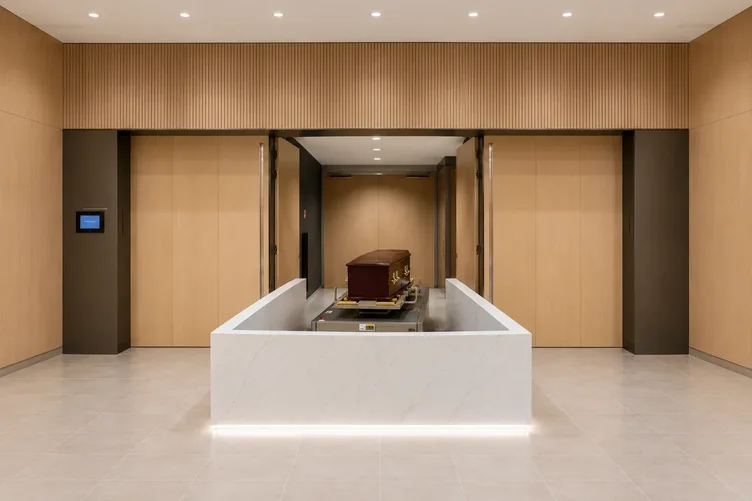
Direct Funeral: The Complete Guide
A simpler, streamlined alternative to a traditional multi-day funeral, explained in full.
Read article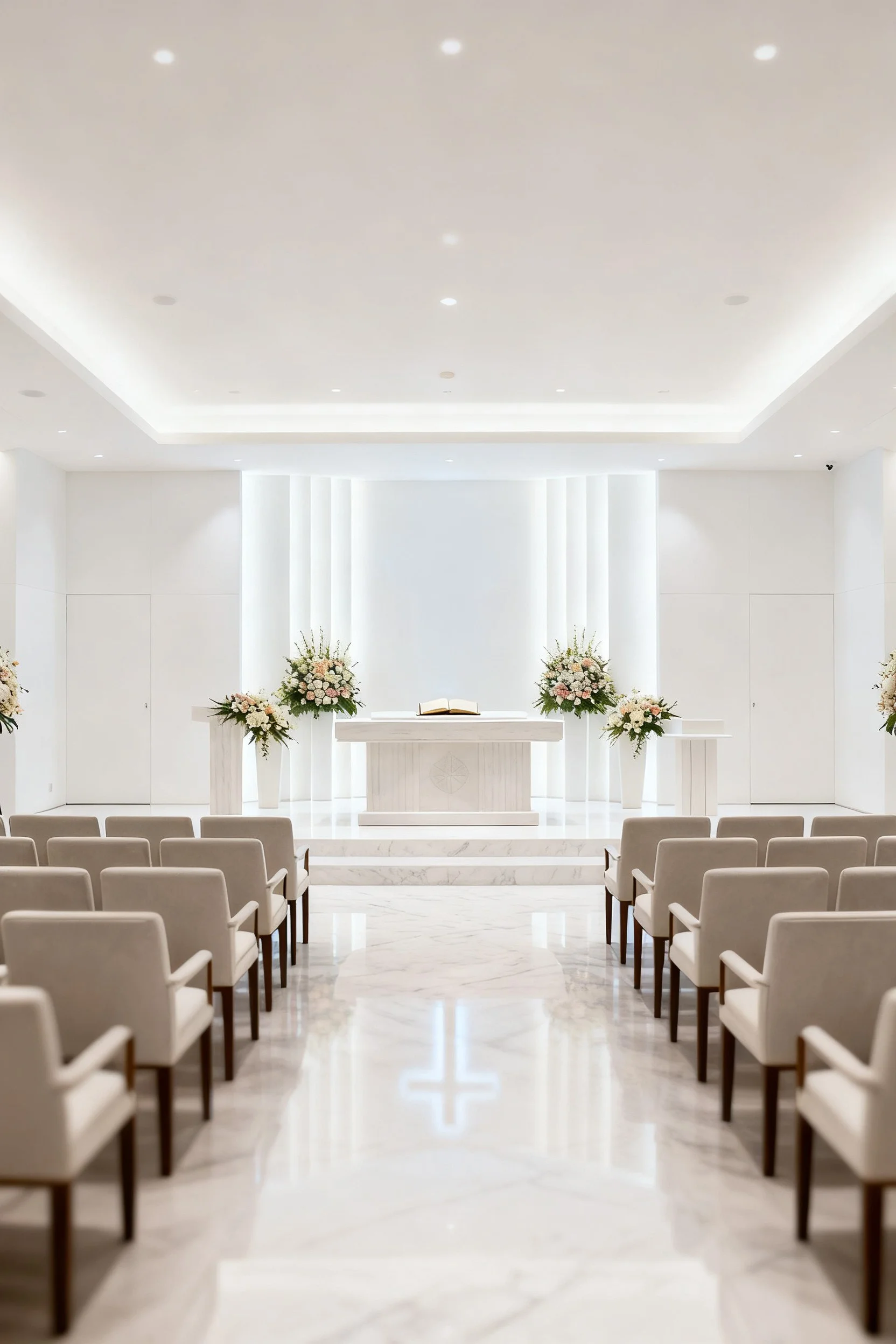
Funeral Services Overview
Return to the complete guide covering packages, timelines, religious traditions and pricing.
Visit service hubCompassionate Funeral Support When Your Family Needs It
Speak with our funeral team for guidance on the immediate next steps, funeral arrangements and wake planning.