


 Promisedland Casket
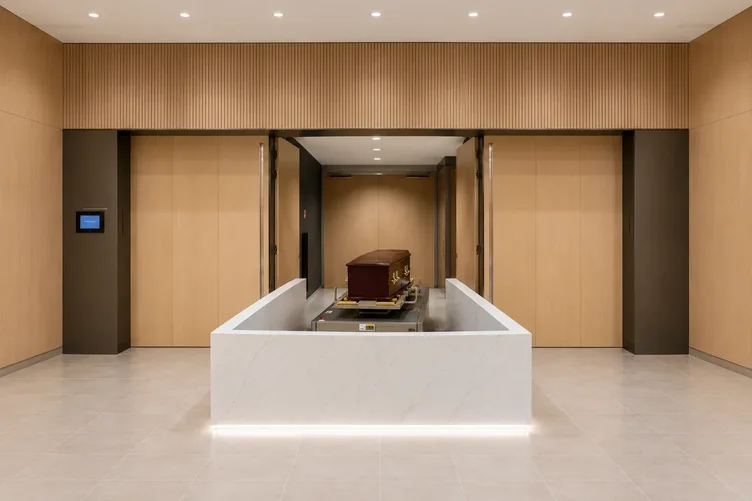
Losing someone close to you is never easy. Along with the emotional impact of grief, families are often faced with many important decisions that need to be made within a short period of time. One of the first decisions is choosing the type of funeral arrangements that best reflect the wishes of the deceased and the needs of the family.
In recent years, more families have begun exploring the option of a direct funeral. Some choose it because it is simple and practical, while others prefer a more private farewell before holding a larger memorial service at a later date. For some, a direct funeral aligns better with personal beliefs, modern lifestyles or the wishes of the deceased.
Although the term is becoming more common, many people are still unfamiliar with what a direct funeral actually involves. Questions such as "Is there still a funeral service?", "Can family members view the deceased?" or "Is a direct funeral the same as direct cremation?" are frequently asked.
This comprehensive guide explains everything you need to know about direct funeral services in Singapore. Whether you are planning ahead, helping a loved one or making arrangements after a recent loss, understanding the available options can help you make informed decisions during a difficult time.
Throughout this guide, we will explain how direct funerals work, compare them with traditional funerals, discuss the planning process, address common misconceptions and answer many of the questions families frequently ask, including:
- What a direct funeral is
- How it differs from direct cremation and traditional funerals
- The complete direct funeral process, step by step
- How to plan a meaningful direct funeral
- What determines the cost
- Frequently asked questions
By the end of this guide, you will have a much clearer understanding of how a direct funeral works and whether it is the right choice for your family.
This guide is part of our complete funeral services overview -- covering packages, religious traditions, venues and pricing for every stage of the process.
Getting started
What Is a Direct Funeral?
A direct funeral is a simplified funeral arrangement that focuses on respectfully caring for the deceased without many of the traditional ceremonies or extended wake arrangements commonly associated with conventional funerals.
Rather than organising several days of visitation, elaborate decorations or large gatherings, a direct funeral generally places greater emphasis on simplicity, efficiency and dignity.
The exact arrangements vary depending on the family's wishes, religious customs and the funeral provider, but the overall approach is usually more streamlined than a traditional funeral.
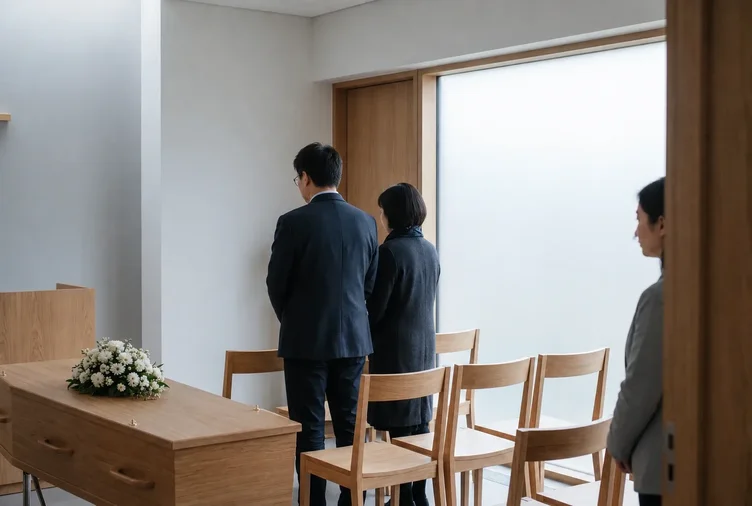
Some families choose to hold a private farewell before cremation or burial, while others arrange a memorial service separately at a later date.
It is important to understand that a direct funeral does not mean an uncaring or rushed funeral. Instead, it offers families an alternative approach that reduces complexity while still ensuring the deceased is treated with the utmost dignity and respect.
What Does "Direct" Mean?
The word direct refers to the simplified sequence of funeral arrangements.
Instead of organising several stages over multiple days, the funeral proceeds more directly towards its final disposition, whether that is cremation or burial.
This may involve fewer ceremonial elements, fewer logistical arrangements and less time spent organising large-scale funeral events.
Every family's situation is unique, and a direct funeral can often be adapted according to individual preferences.
- Some families prefer complete privacy
- Others may invite only immediate family members
- Some may later organise a memorial service where relatives and friends can gather to celebrate the life of the deceased
A growing choice
Why Are More Families Choosing Direct Funerals?
Funeral traditions continue to evolve. Many families today have different lifestyles compared to previous generations. Several factors have contributed to the increasing interest in direct funeral services.
Simplicity
Many families appreciate having fewer decisions to make during an emotionally difficult period. Rather than coordinating multiple days of ceremonies, venue arrangements and visitor schedules, a direct funeral provides a simpler process.
Privacy
Some individuals prefer a quiet farewell attended only by their closest family members. This allows loved ones to grieve in a more personal setting without the pressure of organising a large public gathering.
Flexibility
Choosing a direct funeral does not prevent families from holding a memorial service later. Some families organise remembrance gatherings weeks or months afterwards, allowing overseas relatives and friends more time to travel.
Personal Preference
Some people simply prefer modest funeral arrangements. Their wishes may reflect personal values of simplicity, practicality or humility. When these wishes have been expressed during their lifetime, families often feel reassured knowing they are honouring the deceased's preferences.
Background
The History of Direct Funerals
Historically, funerals often lasted several days and involved extended family, neighbours and members of the community. Large gatherings, elaborate ceremonies and lengthy visitation periods were common.
Over time, social changes have influenced funeral practices. Smaller family sizes, busy work schedules, international travel and changing lifestyles have all contributed to greater demand for simpler funeral arrangements.
Direct funerals have therefore become an increasingly accepted option for families seeking a respectful yet less complicated farewell.
While the overall approach has changed, the core purpose remains the same: to honour the life of the deceased with dignity, compassion and respect.
Clearing up confusion
Is a Direct Funeral the Same as Direct Cremation?
One of the most common misunderstandings is that a direct funeral and direct cremation are identical. They are closely related, but they are not always the same thing.
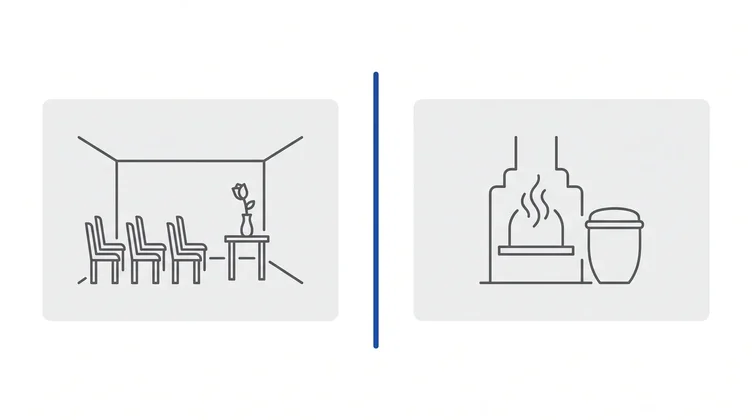
A direct funeral describes the overall style of funeral arrangements. A direct cremation specifically refers to cremation taking place with minimal or no traditional funeral ceremony beforehand.
A direct funeral may involve cremation or burial, depending on the wishes of the family. Likewise, some families who choose direct cremation later organise a memorial service where relatives and friends gather to celebrate the person's life.
Understanding this distinction helps families choose arrangements that best suit their circumstances.
A closer comparison
Direct Funeral vs Traditional Funeral
Many people find it helpful to compare the two approaches.
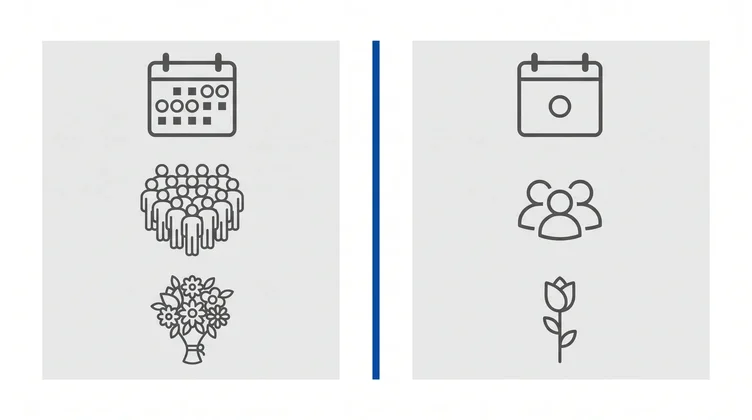
Traditional Funeral
- Multi-day arrangements
- Larger gathering
- Extended visitation
- Elaborate setup
- More logistical planning
- Wake commonly included
- Memorial may occur during the funeral
- Greater flexibility in ceremonial elements
Direct Funeral
- Simpler arrangements
- Often smaller gathering
- Limited or optional visitation
- Minimal setup
- Streamlined planning
- Wake may not be included
- Memorial can be held later
- Greater simplicity in arrangements
Neither option is inherently better than the other. The most appropriate choice depends on:
- Family wishes
- Religious beliefs
- Personal preferences
- Circumstances surrounding the passing
- The wishes of the deceased
Is it for you?
Who Is a Direct Funeral Suitable For?
There is no single type of family who chooses a direct funeral. Every situation is different. However, direct funeral services are often considered by families who value:
- Simplicity
- Privacy
- Efficiency
- Modest arrangements
- Flexible memorial planning

Some people have specifically expressed a wish for uncomplicated funeral arrangements during their lifetime. Others simply feel that a quieter farewell better reflects the personality of the deceased. Ultimately, the decision is highly personal.
A common concern
Can There Still Be a Funeral Service?
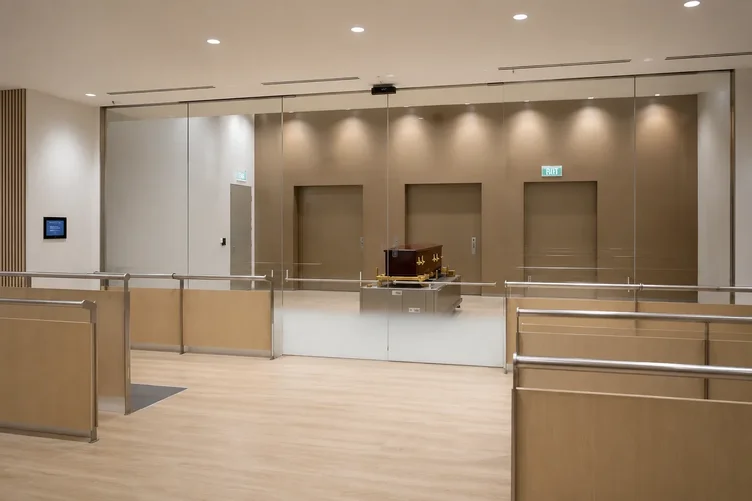
Yes. One misconception is that a direct funeral means there is no opportunity to say goodbye. In reality, many funeral providers offer flexible options.
Depending on the family's wishes, there may still be opportunities for:
- Family viewing
- Private prayers
- Religious blessings
- Short farewell ceremonies
- Memorial services
- Ash scattering or ash placement ceremonies after cremation
The exact arrangements vary according to the chosen funeral plan and any religious requirements.
Faith and tradition
Religious Considerations
Different religions approach funeral arrangements differently. Understanding these traditions helps families make appropriate decisions.
Christian Direct Funerals
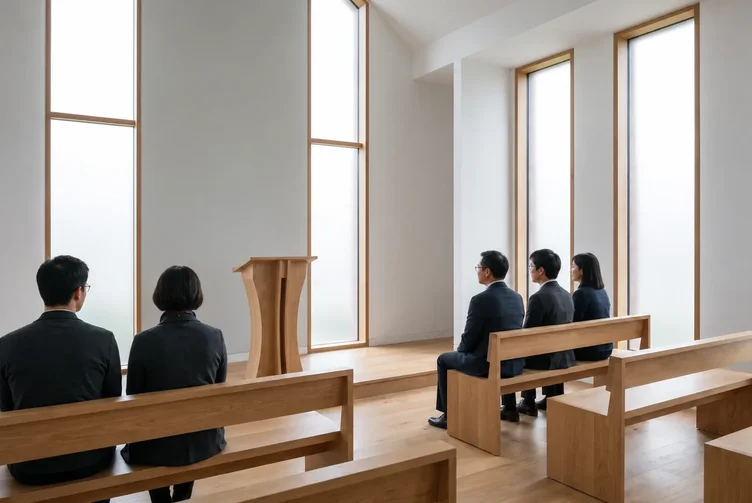
Many Christian families choose simple funeral arrangements while still including:
- Prayer
- Scripture readings
- Hymns
- Family tributes
- Church blessings
Some families later organise a memorial thanksgiving service.
Catholic Direct Funerals
Catholic funeral traditions may include:
- Prayers
- Funeral Mass
- Final commendation
- Committal service
Families considering a direct funeral should discuss the arrangements with both their parish and funeral provider to ensure the appropriate religious customs are observed.
Freethinker Direct Funerals
Freethinker funerals generally provide greater flexibility. Families often personalise the farewell through:
- Music
- Family speeches
- Memory sharing
- Photo displays
- Video tributes
The focus is usually placed on celebrating the life and legacy of the deceased.
Setting the record straight
Common Misconceptions About Direct Funerals
Several misconceptions continue to surround direct funeral services. Let's address some of the most common ones.
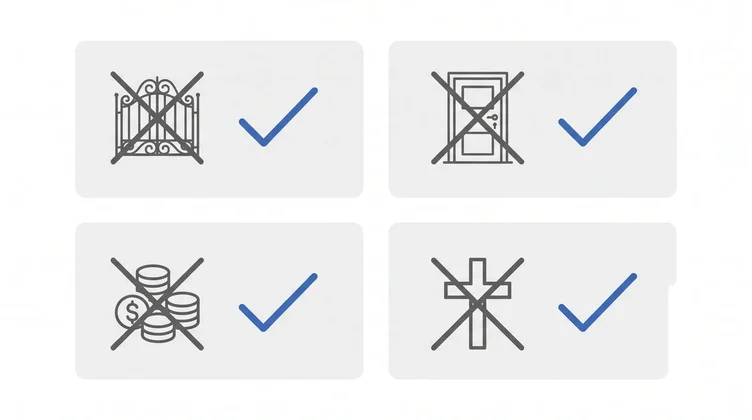
Myth 1 -- A Direct Funeral Is Less Respectful
False. Respect is not determined by the length or complexity of a funeral. A simple funeral can be just as meaningful as a larger traditional service. The compassion shown by family members and the care provided by the funeral team remain the most important elements.
Myth 2 -- There Is No Opportunity to Say Goodbye
Not true. Many direct funerals still include opportunities for family members to spend private time with the deceased before the final farewell.
Myth 3 -- Direct Funerals Are Only About Saving Money
While some families appreciate the simpler arrangements, many choose a direct funeral because it better reflects the wishes of the deceased or their own preference for privacy and simplicity. Financial considerations are only one of many possible reasons.
Myth 4 -- Direct Funerals Cannot Include Religious Ceremonies
Incorrect. Many religious customs can still be observed. The arrangements simply differ depending on the family's wishes and the specific traditions involved.
The advantages
Benefits of Choosing a Direct Funeral
Families often describe several advantages. These may include:
- Simpler planning
- Greater privacy
- Reduced logistical complexity
- Flexible memorial arrangements
- Personalised farewell
- Less pressure during an emotional time
- Easier coordination for smaller families
- Opportunity to hold a separate celebration of life later

Every family places different importance on these factors.
Is a Direct Funeral Right for Every Family?
Not necessarily. Some families value extended visitation, multi-day wakes and large community gatherings. Others feel more comfortable with a quiet, private farewell. Neither choice is right or wrong.
The best funeral is one that honours the wishes of the deceased while providing comfort and support to those left behind. Experienced funeral professionals can help families understand the available options and guide them through the planning process with compassion and respect.
Recap
Summary
A direct funeral offers families a respectful, simplified approach to funeral arrangements while still allowing meaningful opportunities to honour the deceased.
Rather than focusing on elaborate ceremonies or lengthy wakes, direct funeral services prioritise dignity, flexibility and personal choice.
For many families, this approach provides a quieter and more practical way to say goodbye while still preserving the importance of remembrance and celebration of life.
As funeral preferences continue to evolve in Singapore, direct funerals are becoming an increasingly recognised option for families seeking a farewell that reflects modern lifestyles as well as the wishes of the deceased.
Part 2
The Complete Direct Funeral Process
We explained what a direct funeral is, how it differs from traditional funeral arrangements and why more families in Singapore are choosing this option.
One of the biggest concerns families have after the passing of a loved one is: "What happens next?"
During the first few hours after a death, families are often overwhelmed by grief while trying to understand the practical steps that need to be taken.
The good news is that an experienced funeral provider will guide you through each stage, ensuring that every necessary arrangement is handled professionally and respectfully.
This section explains the complete direct funeral process from the moment a person passes away until the final farewell.
Step 1
When Someone Passes Away
The first step depends on where the death occurs. The procedures are slightly different if the person passes away:
- At home
- In a hospital
- In a nursing home
- Overseas
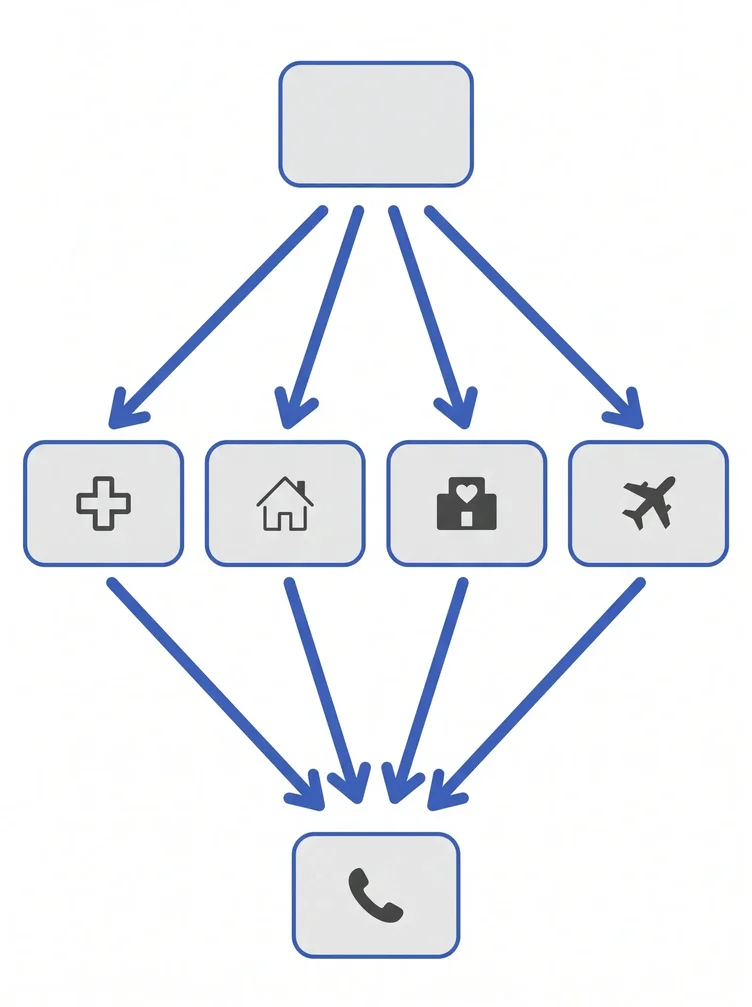
Each situation has its own administrative requirements before funeral arrangements can begin.
If the Death Occurs in a Hospital
When a person passes away in hospital, the attending doctor confirms the death. The hospital staff will explain the immediate administrative procedures and advise the family regarding the next steps.
Once the necessary documentation has been completed, the family may contact their chosen funeral provider. The funeral provider will then coordinate the transfer of the deceased from the hospital.
If the Death Occurs at Home
When someone passes away at home, a doctor must certify the death before funeral arrangements can proceed. Depending on the circumstances, the attending physician or the relevant authorities may need to be contacted.
Once the necessary certification has been completed, the funeral provider can arrange transportation.
If the Death Occurs in a Nursing Home
Nursing homes generally have established procedures for managing a resident's passing. Staff members will assist the family and coordinate with the attending doctor before contacting the chosen funeral provider.
If the Death Occurs Overseas
When a Singaporean passes away overseas, additional procedures are usually required. These may include:
- Local death documentation
- Embassy or consular assistance
- Airline arrangements
- International transportation
- Customs documentation
These situations are generally handled through international repatriation services.
Step 2
Contacting a Funeral Provider
Once the death has been certified, the next step is contacting a funeral provider. An experienced funeral provider will usually arrange:
- Collection of the deceased
- Transportation
- Documentation guidance
- Preparation of the deceased
- Funeral planning
- Cremation or burial scheduling
- Religious coordination if required
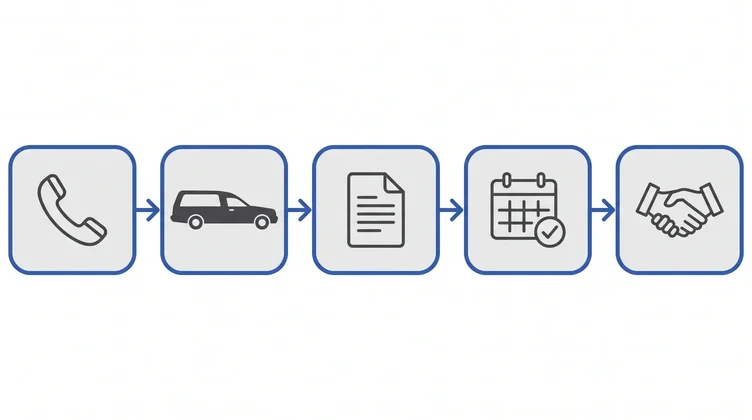
This allows families to focus on supporting one another rather than managing complex logistics.
Steps 3-7
Collection, Registration, Care and Preparation
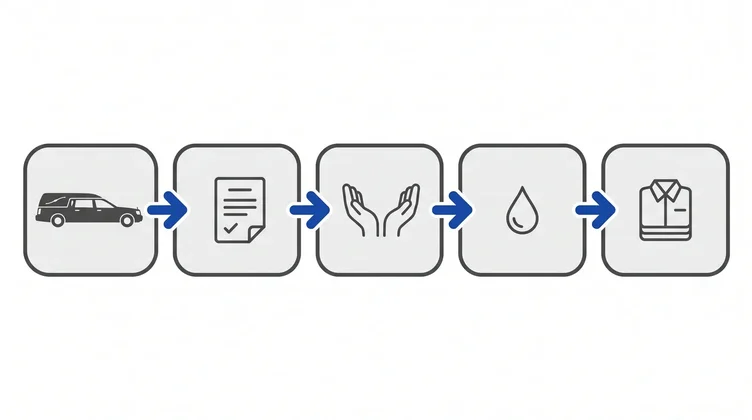
Step 3 -- Collection of the Deceased
The deceased is transported respectfully from:
- Hospital
- Home
- Nursing home
- Other approved location
Professional funeral staff use specialised equipment and vehicles designed specifically for dignified transportation. Throughout the process, respectful handling remains the highest priority.
Step 4 -- Registration of the Death
Before funeral arrangements can proceed, the death must be properly registered in accordance with Singapore's requirements. The exact administrative process depends on the circumstances of the passing.
Your funeral provider can guide you regarding the documentation required. Having experienced assistance during this stage often helps reduce confusion for grieving families.
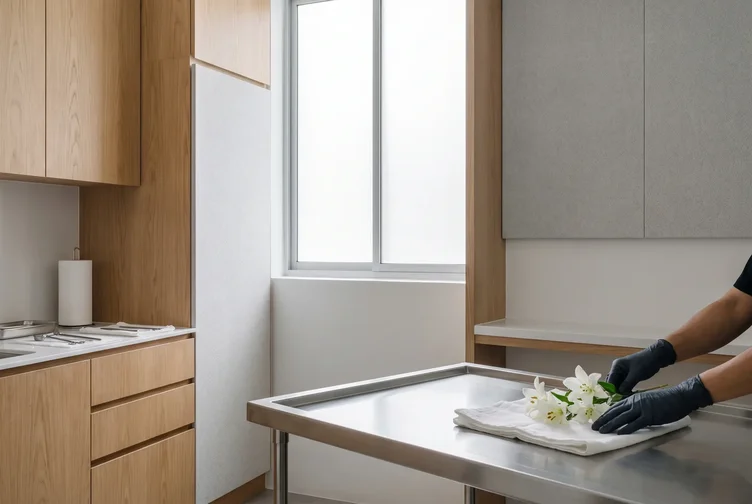
Step 5 -- Bringing the Deceased Into Care
Following transportation, the deceased is respectfully placed into professional care. This stage may involve:
- Identification procedures
- Gentle cleaning
- Dressing
- Placement into appropriate facilities
- Preparation according to family wishes
Throughout this process, dignity and respect remain paramount.
Step 6 -- Is Embalming Required?
One of the most common questions families ask is: "Do we need embalming?"
The answer depends on several factors, including:
- Planned funeral arrangements
- Viewing requirements
- Transportation needs
- Time before cremation or burial
- Religious customs
Embalming is not automatically required for every direct funeral. Your funeral provider can explain whether it is appropriate based on your family's circumstances.
Step 7 -- Dressing the Deceased
Many families choose clothing that reflects the personality or wishes of the deceased. Examples include:
- Formal attire
- Religious clothing
- Traditional cultural clothing
- Favourite outfit
Family members often find comfort in knowing their loved one has been prepared respectfully.
Steps 8-11
Viewing, Blessings and the Farewell Service
Step 8 -- Can Families Still Have a Viewing?
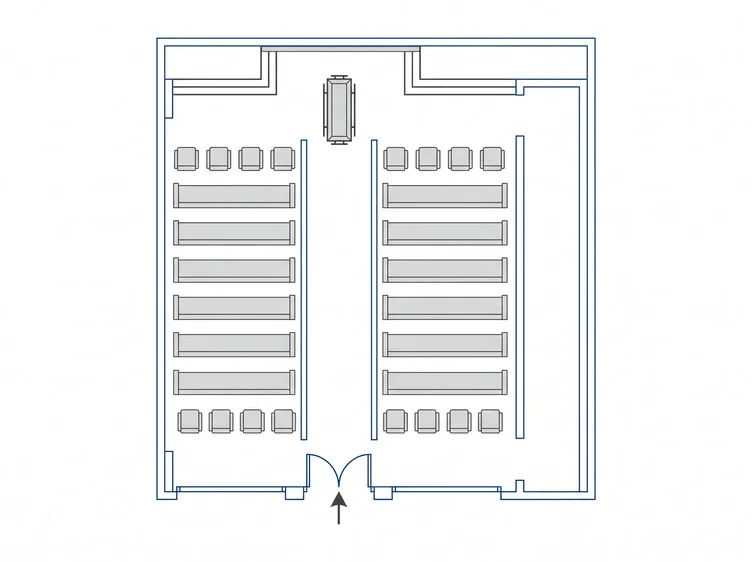
Yes. A direct funeral does not necessarily mean there can be no viewing. Depending on the arrangements, families may choose:
- Private family viewing
- Immediate family only
- Religious prayers
- Quiet farewell
- Short visitation
Some families prefer not to have any viewing, while others feel it provides an important opportunity for closure.

Step 9 -- Religious Blessings
Depending on personal beliefs, families may arrange:
- Christian prayers
- Catholic blessings
- Freethinker memorial words
- Family reflections
- Quiet moments of remembrance
These moments can be adapted to suit both traditional and simplified funeral arrangements.
Step 10 -- Transportation to the Funeral Venue
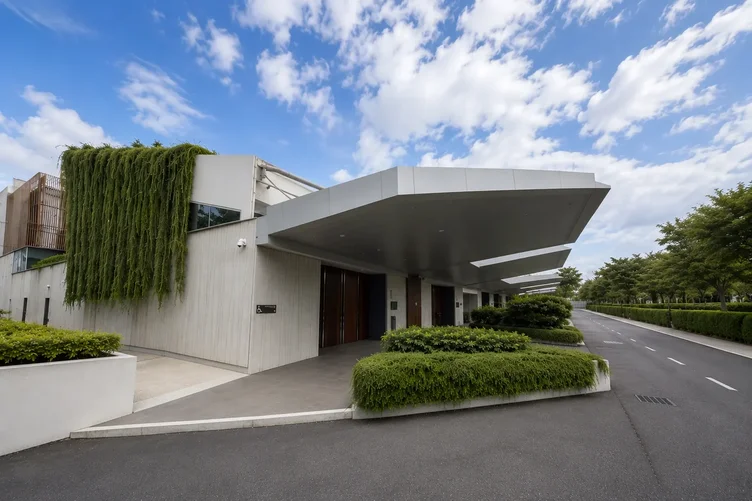
If a farewell ceremony is planned, the deceased is respectfully transported to the chosen venue. Possible locations include:
- Funeral parlour
- Church
- Family residence
- Memorial hall
- Crematorium chapel
The arrangements depend entirely on the family's wishes.
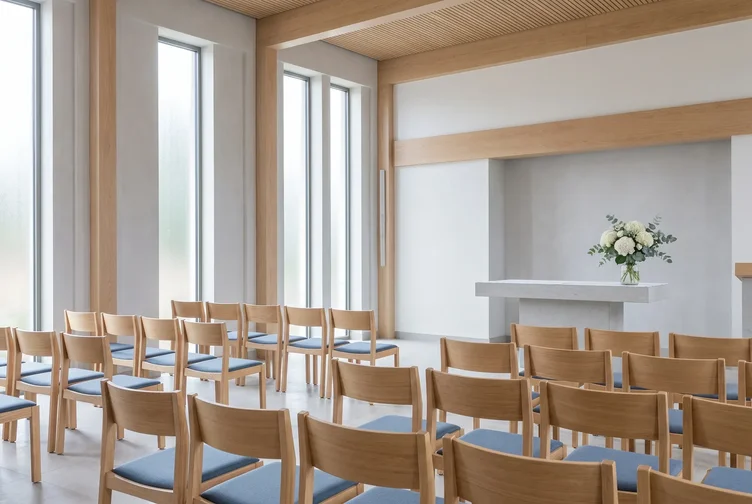
Step 11 -- The Farewell Service
Although direct funerals are generally simpler than traditional funerals, many families still choose to hold a meaningful farewell. This may include:
- Opening words
- Prayer
- Scripture reading
- Family tributes
- Reflection
- Music
- Final farewell
The service may be attended by immediate family, close relatives or close friends. Some families prefer complete privacy. Others choose a small gathering. There is no universally correct approach.
Steps 12-16
Cremation, Burial and What Follows
Step 12 -- Cremation
Many direct funerals conclude with cremation. During this stage, the casket is respectfully received, family members may choose to attend, and final moments of farewell may take place before cremation begins.
The cremation itself is carried out professionally and respectfully according to established procedures.
Step 13 -- Burial
Some direct funerals conclude with burial instead. The burial service is generally shorter and simpler than traditional funeral arrangements. Depending on family wishes, there may still be prayers, religious readings, family gathering and a final committal.
Step 14 -- Collection of Ashes
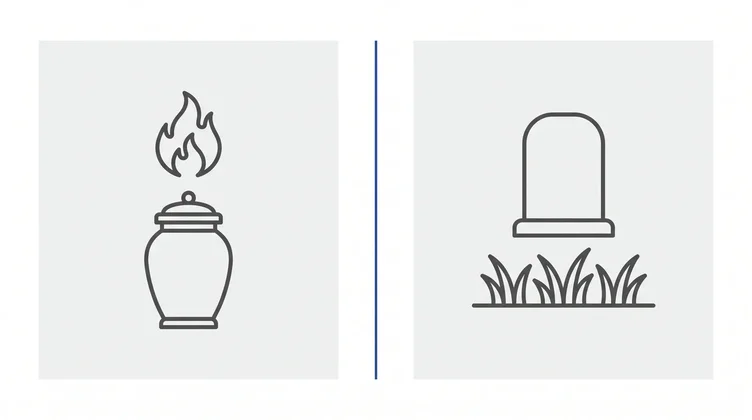
After cremation, families may arrange for the collection of the cremated remains. Different families choose different options afterwards. Examples include:
- Columbarium placement
- Home memorial
- Ash scattering where permitted
- Future memorial ceremony
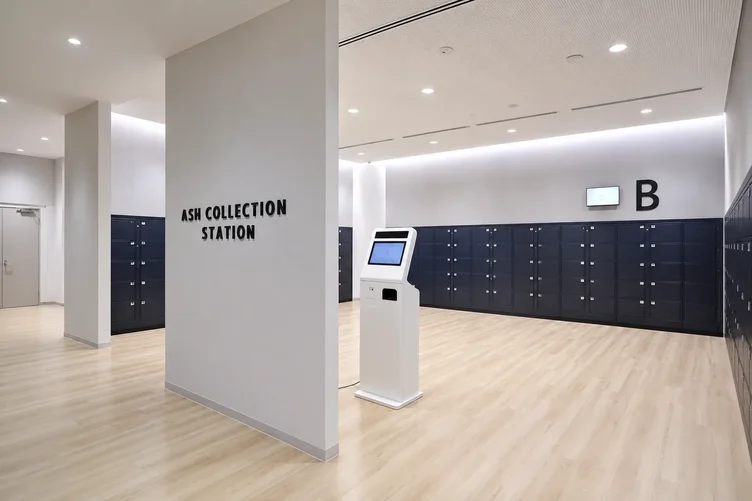
The appropriate choice depends on personal wishes and any applicable regulations.
Step 15 -- Ash Scattering
After cremation, some families choose to keep the ashes in a columbarium or at home, while others prefer to scatter the ashes in a meaningful location.
Ash scattering allows families to return their loved one's cremated remains to nature in a respectful and symbolic way. For many, it represents peace, remembrance and the continuation of life's journey.
In Singapore, ash scattering should always be carried out in accordance with the relevant laws and designated locations.
There are generally two types of ash scattering that families may consider.
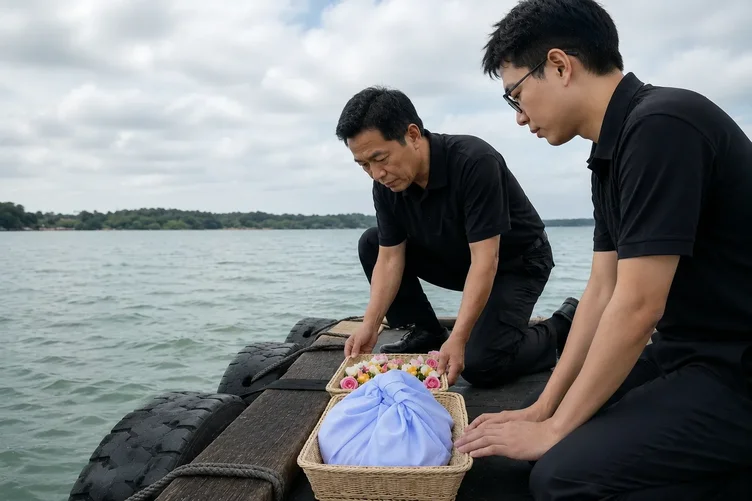
Sea Ash Scattering
Sea ash scattering involves scattering cremated remains at sea from a designated vessel.
Many families choose the sea because it symbolises freedom, peace and an everlasting journey.
A sea ash scattering ceremony can be simple and private or include family members, prayers, readings and personal tributes. Depending on the family's beliefs and traditions, the ceremony may include:
- Opening prayers
- Religious blessings
- Family speeches
- Flowers or flower petals (where appropriate)
- A moment of silence
- Music
- Final farewell before scattering the ashes
For some families, the peaceful surroundings of the open sea provide comfort and closure.

Inland Ash Scattering
Families who prefer to remain on land may choose inland ash scattering at designated facilities where permitted.
An inland ash scattering garden offers a quiet and landscaped environment designed for remembrance and reflection. These gardens are intended to provide a dignified place where families can gather, remember their loved ones and conduct a simple farewell ceremony.
Some families appreciate inland ash scattering because:
- It is easily accessible.
- Relatives can revisit the area.
- The surroundings are peaceful and well maintained.
- It provides a dedicated place for remembrance.
The ceremony itself may include prayers, reflections, flowers and moments of silence, depending on the family's wishes.
Locations
- Garden of Peace: Located within the Choa Chu Kang Cemetery opposite Muslim Cemetery.
- Garden of Serenity: Located near the Mandai North Crematorium and Columbarium Complex.
Choosing Between Sea and Inland Ash Scattering
There is no right or wrong choice.
The most appropriate option depends on the wishes of the deceased, the family's personal preferences and any religious or cultural considerations. Some families prefer the symbolism of the open sea, while others value having a peaceful landscaped location that can be visited more easily.
An experienced funeral provider can explain the available options and help families make arrangements that reflect both practical considerations and personal wishes.
Step 16 -- Memorial Service Afterwards
One of the advantages of a direct funeral is flexibility. Some families choose to organise a memorial weeks or even months later. This allows:
- Overseas relatives to attend
- More time for planning
- A celebration of life rather than a traditional funeral
- Less pressure immediately after the passing
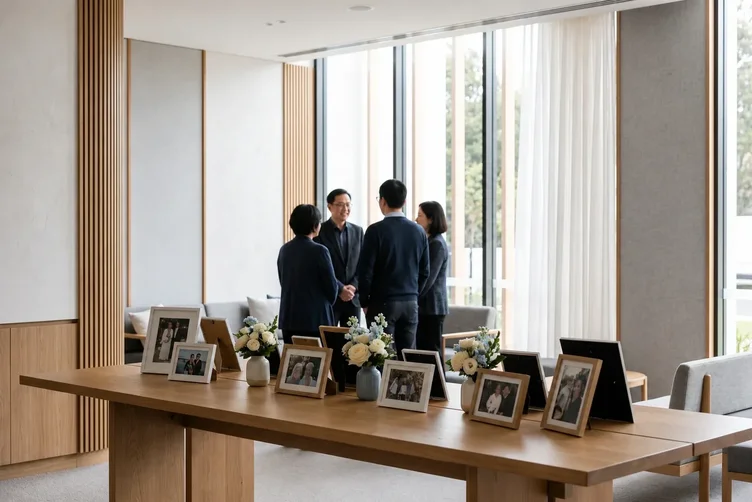
Memorial services can be highly personalised. Examples include family speeches, music, photo displays, video tributes, religious services and charity donations in memory of the deceased.
At a glance
Typical Timeline of a Direct Funeral
Although every family is different, the process generally follows this sequence:
- Passing of the deceased
- Death certification
- Contact funeral provider
- Collection and transportation
- Administrative documentation
- Care and preparation
- Optional embalming
- Dressing
- Optional family viewing
- Religious blessings (if desired)
- Farewell service
- Cremation or burial
- Collection of ashes (if cremation)
- Memorial service at a later date (optional)
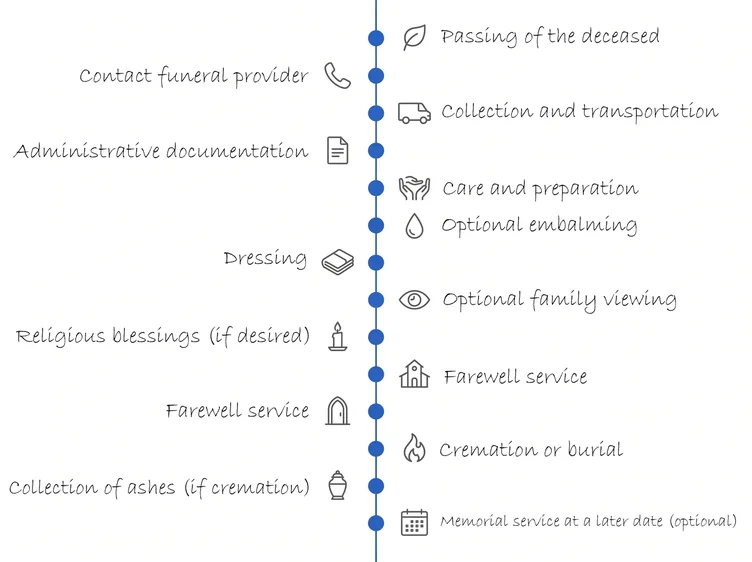
Each stage is handled with dignity and sensitivity to ensure families receive the support they need.
Making it personal
Can the Process Be Personalised?
Absolutely. Although a direct funeral is simpler than a traditional funeral, families still have many opportunities to personalise the farewell. Possible personal touches include:
- Favourite flowers
- Meaningful music
- Family photographs
- Memory tables
- Religious symbols
- Personal letters
- Favourite clothing
- Memorial videos
These thoughtful additions can make even a simple farewell deeply meaningful.
Common Questions During the Process
Can family members travel in the funeral vehicle? This depends on the arrangements made with the funeral provider.
Can the family witness the cremation? Depending on the crematorium's procedures and the family's wishes, certain farewell moments may be possible before the cremation begins.
Can children attend? Many families choose to include children. The decision depends on the child's age, emotional readiness and family preferences.
Can overseas family members join online? Some families arrange live-streaming or recorded memorial services so that relatives overseas can participate remotely.
How long does the entire process take? The exact duration varies depending on family wishes, religious customs, availability of venues, administrative requirements and whether cremation or burial is chosen. An experienced funeral provider coordinates each stage to ensure the arrangements proceed smoothly while allowing the family sufficient time to gather, grieve and say goodbye.
Recap
Summary
Although a direct funeral is designed to simplify funeral arrangements, it still follows a carefully planned process that respects both the deceased and the family.
From the initial certification of death to transportation, preparation, optional viewing and the final cremation or burial, every stage is carried out with professionalism, dignity and compassion.
Understanding the process in advance can help families feel more confident during an emotionally difficult time and make informed decisions that reflect both practical needs and personal wishes.
Part 3
Planning a Direct Funeral: Everything Families Should Know
In the previous section, we walked through the complete direct funeral process, from the moment a loved one passes away to the final farewell.
While understanding the process is important, careful planning is equally valuable. Even when choosing a simpler funeral arrangement, there are still many decisions that need to be made.
Fortunately, a direct funeral offers considerable flexibility. Families can personalise the arrangements according to the wishes of the deceased, their religious beliefs and their own preferences.
This section explores how to plan a meaningful direct funeral, how to choose the right funeral provider, and the many ways families can create a respectful farewell without unnecessary complexity.

The most important decision
Choosing the Right Funeral Provider

One of the most important decisions a family will make is selecting a funeral provider.
Many people naturally focus on flowers, venues or funeral vehicles, but the experience and professionalism of the funeral team often have the greatest impact on the overall experience.
An experienced funeral provider does far more than arrange transportation. They coordinate every stage of the funeral while supporting the family throughout the process. A professional funeral provider typically assists with:
- Immediate response after a death
- Collection of the deceased
- Documentation guidance
- Preparation of the deceased
- Funeral planning
- Religious coordination
- Venue arrangements
- Cremation or burial scheduling
- Family support throughout the arrangements
Families should feel comfortable asking questions before making a decision.
What Should Families Look For?
Choosing a funeral provider is about more than comparing services. Consider whether the provider demonstrates:
- Compassion
- Professionalism
- Experience
- Clear communication
- Transparency
- Respect for different religious traditions
- Ability to explain every step without pressure
The best funeral providers guide families patiently rather than rushing important decisions.
Questions to Ask Before Choosing a Funeral Provider
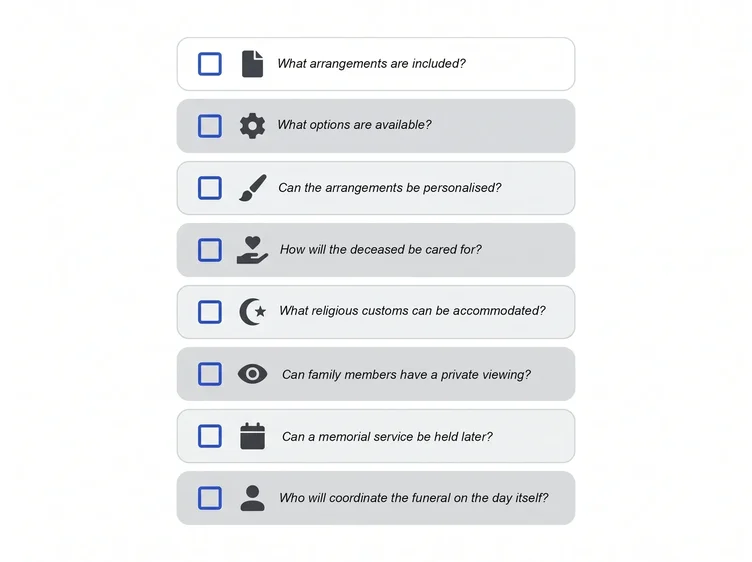
Families often feel unsure what questions to ask. Some helpful questions include:
- What arrangements are included?
- What options are available?
- Can the arrangements be personalised?
- How will the deceased be cared for?
- What religious customs can be accommodated?
- Can family members have a private viewing?
- Can a memorial service be held later?
- Who will coordinate the funeral on the day itself?
Clear answers often provide reassurance during a stressful time. Read our guide on how to choose a funeral director for a fuller comparison checklist.
Honouring their wishes
Planning According to the Wishes of the Deceased
Whenever possible, the wishes of the deceased should guide the funeral arrangements. Some people have clearly expressed their preferences during their lifetime. Examples may include:
- Simplicity
- Private farewell
- Religious ceremony
- Cremation
- Burial
- Favourite music
- Specific clothing
- Particular flowers
Respecting these wishes often provides comfort to family members, knowing they are honouring their loved one's final preferences.
Religious Considerations
A direct funeral can still respect religious customs. The arrangements simply become more streamlined than a traditional multi-day funeral.
Christian Direct Funerals
Many Christian families choose direct funeral services while maintaining important elements of their faith, including opening prayer, scripture readings, worship songs, a pastor's message, family tributes and a final blessing. Some churches also conduct memorial services after cremation or burial.
Catholic Direct Funerals
Catholic funeral traditions often include Funeral Mass, Holy Communion, scripture readings, final commendation and burial or cremation prayers. Families planning a Catholic direct funeral should discuss the arrangements with both the funeral provider and their parish priest.
Freethinker Direct Funerals
Freethinker funerals provide greater flexibility. Families often personalise the farewell through family speeches, favourite music, life story presentations, video tributes, memory boards and personal reflections. Rather than following a fixed religious format, the service celebrates the individual's life and legacy.
Wake and viewing
Can a Wake Still Be Held?
One common misconception is that choosing a direct funeral means there cannot be a wake. In reality, the arrangements depend entirely on the family's wishes.
Some families choose no wake, a short private gathering, a one-day farewell, immediate family only, or a memorial gathering later. There is no universal approach -- the funeral should reflect what feels most meaningful to the family.
Family Viewing
Many people wonder whether they will still have an opportunity to see their loved one. Depending on the arrangements, families may choose private viewing, immediate family viewing, a religious farewell or a quiet personal goodbye.
Some families find viewing comforting. Others prefer to remember their loved one as they were in life. Neither choice is right or wrong.
Small touches, lasting memories
Personalising a Direct Funeral
Although direct funerals are simpler, they can still be deeply personal. Small touches often create lasting memories.

Favourite Flowers
Flowers often reflect personality. Some families choose white lilies, roses, orchids, native flowers or favourite colours. Even modest floral arrangements can create a beautiful atmosphere.
Music
Music often becomes one of the most memorable parts of a farewell. Choices may include religious hymns, instrumental music, favourite songs, classical music or quiet piano pieces. Music can express emotions that words sometimes cannot.
Clothing
Families often choose clothing that reflects the individual's personality, such as formal attire, religious clothing, traditional cultural dress or a favourite outfit. The choice is entirely personal.
Family Photographs
Displaying photographs allows family and friends to remember different stages of a person's life. Popular displays include childhood, wedding, family celebrations, holidays, career achievements and grandchildren. Photo displays often become conversation starters during memorial gatherings.
Video Tributes
Many families now prepare short video presentations, including family photographs, favourite music, personal messages, recorded memories and important milestones. Video tributes help celebrate a life rather than focusing solely on loss.
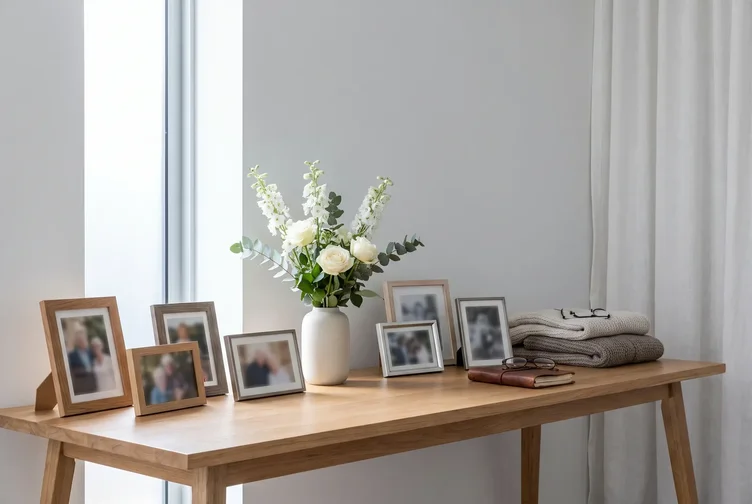
Memory Tables
A memory table may include meaningful items such as awards, hobbies, books, musical instruments, sports memorabilia and personal collections. These displays provide visitors with a deeper understanding of the person's life.
Family participation
Should Children Attend?
Many families ask whether children should attend a direct funeral. There is no universal answer. Parents should consider the child's age, emotional maturity, relationship with the deceased and family wishes.
Some children benefit from participating in the farewell process, while others may find it overwhelming. Parents know their children best.
Can Overseas Family Members Participate?
Modern technology has made it easier for distant relatives to be involved. Families may choose live-streamed services, recorded memorials, online remembrance gatherings or shared photo collections. This allows loved ones overseas to participate even if they cannot travel immediately.
For visitors and guests
Funeral Etiquette
Although direct funerals are generally smaller, many of the same principles of respect still apply. Visitors should consider:
- Dressing appropriately
- Arriving on time
- Offering condolences respectfully
- Following family wishes
- Respecting religious customs
- Keeping mobile phones silent

Simple acts of kindness often mean far more than elaborate gestures.
What to avoid
Common Planning Mistakes
Planning a funeral while grieving is never easy. Understanding common mistakes can help families avoid unnecessary stress.
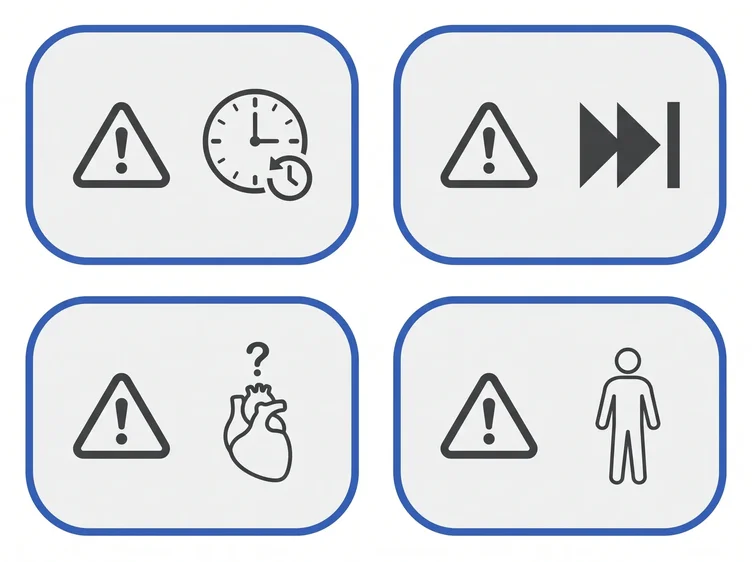
Waiting Too Long to Contact a Funeral Provider
Experienced funeral providers can begin assisting immediately after a death. Seeking professional guidance early often reduces confusion.
Making Decisions Too Quickly
Although some decisions must be made promptly, families should avoid feeling pressured into unnecessary arrangements. Good funeral providers explain the available options patiently.
Forgetting the Wishes of the Deceased
Whenever possible, the funeral should reflect the values and preferences of the deceased. This often provides comfort to the family in the years ahead.
Trying to Handle Everything Alone
Funeral arrangements involve numerous administrative and logistical responsibilities. Accepting help from experienced professionals allows families to focus on supporting one another.
Stay organised
Direct Funeral Planning Checklist
A simple checklist can help families stay organised. Before the funeral:
- Contact funeral provider
- Confirm documentation
- Decide on cremation or burial
- Consider religious requirements
- Choose clothing
- Arrange flowers if desired
- Decide on family viewing
- Confirm venue arrangements
- Inform close relatives
- Prepare any speeches or tributes
- Select photographs
- Arrange memorial service if required

Having a written checklist often reduces stress during an emotional time.
Why Funeral Pre-Planning Can Be Helpful
Some people choose to make funeral decisions during their lifetime. Funeral pre-planning allows individuals to record funeral preferences, religious wishes, cremation or burial choice, preferred music, family instructions and personal messages. This can significantly reduce uncertainty for loved ones in the future.
Recap
Summary
Planning a direct funeral involves more than arranging a simple farewell. It is an opportunity to honour the wishes of the deceased while creating a respectful and meaningful experience for family members.
Although direct funerals involve fewer ceremonial elements than traditional funerals, they still offer many opportunities for personalisation through music, photographs, flowers, family tributes and memorial gatherings.
By choosing an experienced funeral provider, understanding the available options and planning thoughtfully, families can create a farewell that reflects the life, values and legacy of someone they deeply loved.
Part 4
What Determines the Cost of a Direct Funeral?
We explored what a direct funeral is, the complete funeral process and how families can plan a meaningful farewell. In this final section, we answer one of the most common questions: "What affects the cost of a direct funeral?"
We will also explain what is usually included, discuss optional services, answer frequently asked questions and provide practical guidance to help families make informed decisions.
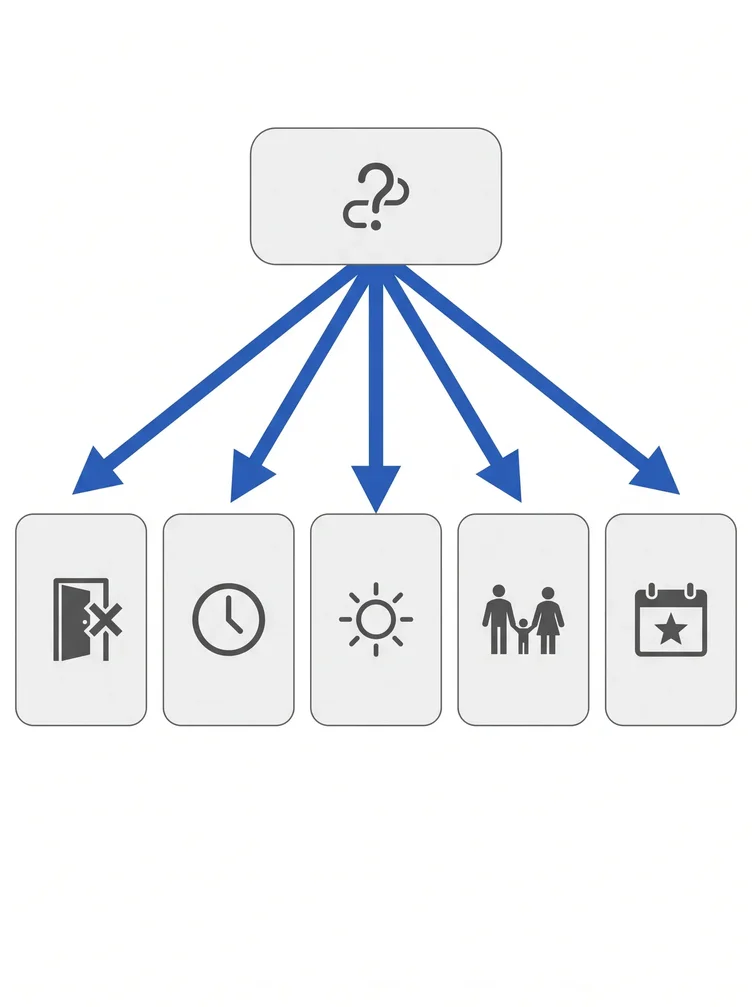
One of the biggest misconceptions is that every direct funeral costs the same. In reality, every family has different wishes, and the overall cost depends on the arrangements selected rather than a single fixed price. Several factors may influence the overall funeral arrangements.

Location of Collection
The deceased may need to be collected from hospital, home, nursing home, hospice or overseas (international repatriation). Each situation involves different logistical arrangements.
Time of Collection
Some collections occur during normal working hours, while others take place overnight or during public holidays. Depending on the circumstances, the arrangements required may differ.
Preparation of the Deceased
Preparation may include gentle cleansing, dressing, placement into the casket and preservation procedures where required. The level of preparation depends on the family's wishes and the planned funeral arrangements.
Embalming
Not every direct funeral requires embalming. Whether embalming is appropriate depends on factors such as viewing arrangements, transportation requirements, time before cremation or burial, and religious customs. Your funeral provider can advise based on your family's specific situation.
Casket Selection
Families generally have a range of Singapore casket options available. Differences may include wood type, interior fabric, exterior finish, hardware, size and design. The choice of casket is a personal decision rather than an indication of respect.
Religious Requirements
Some religious traditions involve additional ceremonies or clergy participation, such as Christian prayers, Catholic rites, family blessings and memorial services. The arrangements depend on the family's beliefs and wishes.
Cremation or Burial
Some families choose cremation, while others prefer burial. Each option involves its own planning considerations. The funeral provider will coordinate the necessary arrangements accordingly.
What to expect
What Is Usually Included in a Direct Funeral?
Every funeral provider offers different arrangements, so families should always confirm what is included. A direct funeral commonly involves:
- Collection of the deceased
- Transportation
- Professional care
- Funeral coordination
- Documentation guidance
- Appropriate casket
- Transfer to the crematorium or burial site
- Funeral staff assistance
Some providers may also include additional support services depending on the arrangements selected.
Optional Services
Families sometimes choose additional services to personalise the farewell. These may include:
- Family viewing
- Floral arrangements
- Photo displays
- Video tribute
- Religious officiant
- Live-streaming
- Memorial books
- Transportation for family members
- Ash collection assistance
- Columbarium guidance
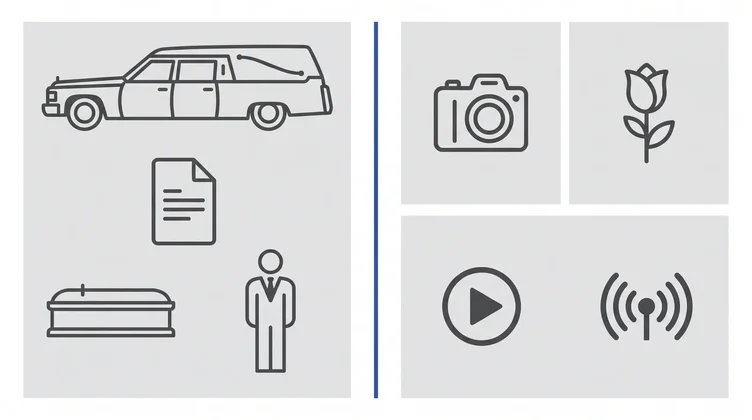
The availability of these services varies between funeral providers.
Sustainability
Environmentally Conscious Funeral Choices
Some families wish to minimise the environmental impact of funeral arrangements. Possible considerations include simpler floral arrangements, sustainable materials where available, smaller ceremonies and memorial donations instead of physical gifts.
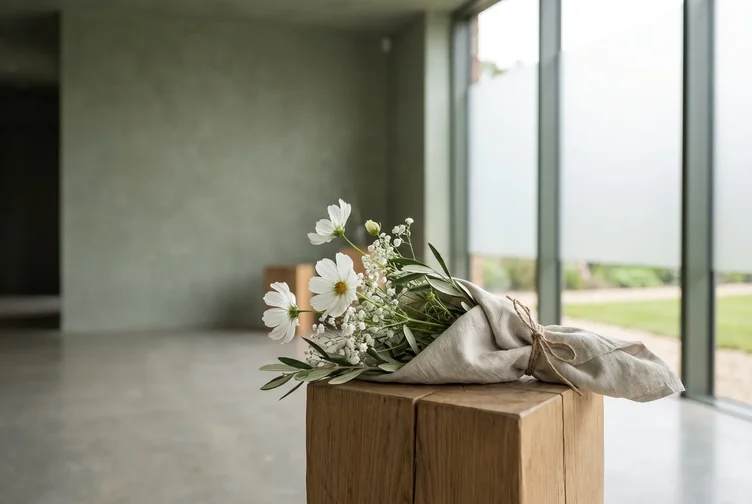
Families interested in environmentally conscious options should discuss these preferences with their funeral provider.
Is Funeral Pre-Planning Worth Considering?
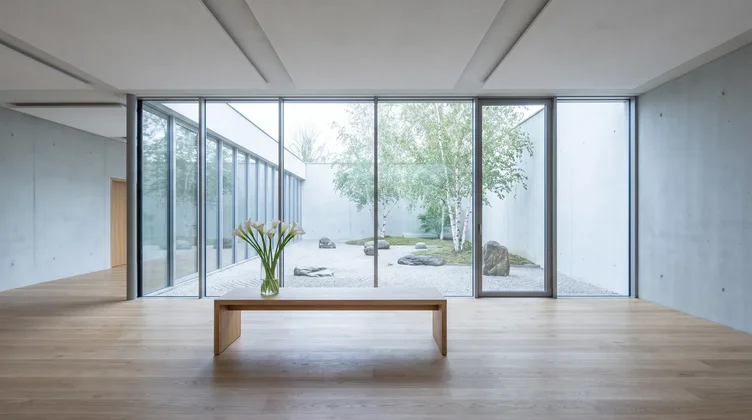
Many people prefer to make important decisions before they are needed. Funeral pre-planning allows individuals to record their wishes regarding cremation or burial, religious preferences, music, flowers, memorial service, personal messages and family instructions. This can reduce uncertainty for loved ones during an emotionally difficult period.
Frequently asked
Frequently Asked Questions
What is a direct funeral?
A direct funeral is a simplified funeral arrangement that focuses on respectful care of the deceased while reducing the complexity of traditional funeral ceremonies.
Is a direct funeral the same as direct cremation?
Not always. A direct funeral describes the overall approach, while direct cremation specifically refers to cremation with minimal or no traditional funeral ceremony beforehand.
Can family members still say goodbye?
Yes. Many direct funerals still allow private viewing or family farewell arrangements depending on the family's wishes.
Can a direct funeral include prayers?
Yes. Religious prayers, blessings or short services can often be included according to the family's beliefs.
Can there still be flowers?
Absolutely. Many families choose modest floral arrangements even for simplified funerals.
Can there still be music?
Yes. Favourite music, hymns or instrumental pieces can all be included.
Can children attend?
Yes. Whether children attend depends on the family's preferences and the child's emotional readiness.
Can overseas relatives participate?
Many families now arrange live-streaming or recorded memorial services so relatives overseas can participate remotely.
Can a memorial service be held later?
Yes. Many families choose to hold a celebration of life weeks or months after the funeral.
Is embalming always necessary?
No. Whether embalming is required depends on the specific funeral arrangements.
Can families choose the casket?
Yes. Most funeral providers offer several casket options.
Can personal belongings be placed inside the casket?
Depending on the arrangements and any applicable regulations, certain personal items may be included. Families should discuss this with their funeral provider.
Can family members travel with the funeral vehicle?
This depends on the arrangements provided by the funeral provider.
How long does a direct funeral usually take?
The timing varies depending on administrative procedures, family wishes and whether cremation or burial is chosen.
Is a direct funeral less respectful?
No. Respect comes from the care shown to the deceased and the compassion shared by family and friends -- not from the size or complexity of the funeral.
Can direct funerals be personalised?
Yes. Families may personalise the farewell through music, flowers, photographs, speeches, videos and memorial gatherings.
Can a direct funeral include a church service?
Yes. Many Christian and Catholic families incorporate church services into simplified funeral arrangements.
Is burial possible with a direct funeral?
Yes. Although many direct funerals involve cremation, burial remains an option depending on family wishes.
Can I arrange a direct funeral in advance?
Yes. Funeral pre-planning allows individuals to document their preferences before they are needed.
Who should I contact first after a death?
After the death has been medically certified, families should contact their chosen funeral provider as soon as possible.
Final guidance
Final Thoughts
A direct funeral is not simply about reducing the number of ceremonies or shortening the funeral process. It is about creating a farewell that reflects the wishes of the deceased while providing comfort, dignity and support for those left behind.
For some families, this means a quiet private goodbye. For others, it means holding a memorial service later when relatives and friends can gather without the immediate pressures that follow a passing.
The flexibility offered by direct funeral services allows every family to honour their loved one in a way that feels personal and meaningful.
Whether you are planning ahead or arranging a funeral after a recent loss, understanding the available options helps you make thoughtful decisions during one of life's most difficult moments.
Working with an experienced funeral provider ensures that every stage -- from collection and preparation to cremation or burial -- is carried out with professionalism, compassion and respect.
Ultimately, the most meaningful funeral is not defined by its size or complexity, but by the love, memories and gratitude shared in remembering someone whose life touched others.
Explore our full range of funeral services or contact our funeral directors to begin planning.
Continue Your Planning
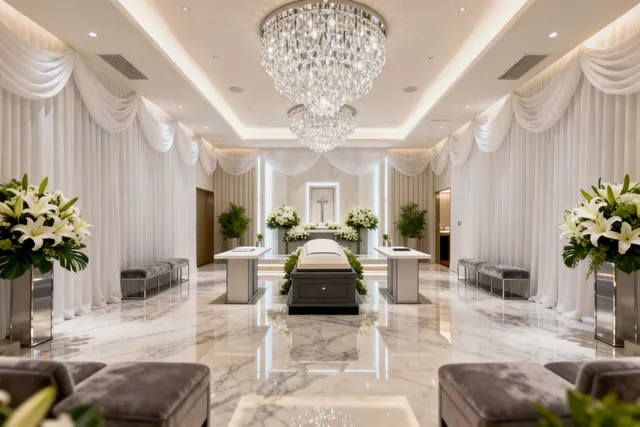
Funeral Services Overview
Return to the complete guide covering packages, timelines, religious traditions and pricing.
Visit service hub
How to Choose a Funeral Director
What to look for, questions to ask and how to compare providers with confidence.
Read article
Singapore Caskets: Everything You Need to Know
A complete guide to casket types, materials and how to choose the right one.
Read articleCompassionate Funeral Support When Your Family Needs It
Speak with our funeral team for guidance on direct funeral arrangements, planning and next steps.