


 Promisedland Casket
Catholic funeral rites follow a structure shaped by centuries of tradition, but the meaning behind each rite is not always explained to those experiencing it for the first time.
Understanding why each part exists can help both grieving families and visiting guests feel more grounded during the service, rather than simply following along.
This guide walks through the vigil, the Funeral Mass and the final rite of committal. Families planning the practical side of the service may also find our guide on Catholic funeral services in Singapore useful.
This guide is part of our Catholic funeral services -- covering the practical arrangements and coordination available to Catholic families.
Part 1
The Vigil and the Rosary
The vigil is held during the wake, when family and friends gather to pray for the deceased, often praying the Rosary together. This custom reflects the Catholic belief in praying for the souls of the departed, asking for God's mercy on their behalf.
Part 2
Reception of the Body
When the body is received into the church, it is sometimes sprinkled with holy water, recalling the deceased's baptism. This gesture reminds those present that the person was welcomed into the Christian faith at baptism and is now being commended back to God.
Part 3
Why the Funeral Mass Is Central
The Funeral Mass is the heart of a Catholic funeral because the Eucharist is understood as spiritual nourishment for the journey from death to eternal life. Celebrating Mass unites the grieving community in prayer and worship at the moment they need it most.
Part 4
The Liturgy of the Word
Scripture readings during this part of the Mass are chosen to reflect the Catholic belief in resurrection and eternal life. The homily that follows connects these readings to the life of the deceased, offering comfort grounded in faith rather than simply recounting biography.
Part 5
The Liturgy of the Eucharist
Holy Communion is offered as an expression of unity with Christ and with the deceased, who Catholics believe remains part of the same spiritual community even after death. This is why the Eucharist, rather than the eulogy, forms the emotional centre of a Catholic funeral.
Planning a Catholic Funeral?
Our funeral directors regularly coordinate with parishes across Singapore to help plan a Mass that honours your family's faith.
Part 6
The Pall
A white cloth, known as the pall, is often placed over the casket as it enters the church. This recalls the white garment given at baptism, symbolising that the deceased shares equally in Christ's promise of resurrection, regardless of status in life.
Part 7
The Paschal Candle
The large Paschal candle, lit near the casket, represents Christ as the light that overcomes darkness and death. Its presence is a visual reminder of the hope of resurrection that runs through the entire service.
Part 8
The Final Commendation and Incense
Towards the end of the Mass, the priest incenses the casket during the Final Commendation. The rising smoke symbolises prayers ascending to God and honours the body as having once been a temple of the Holy Spirit.
Part 9
The Rite of Committal
The final rite takes place at the cemetery, crematorium or columbarium, where the priest commends the deceased to God's mercy one last time. This closing moment is intentionally simple, offering the family a quiet, personal farewell after the formality of the Mass.
For visitors
Etiquette for Guests
- Modest, respectful attire is generally appropriate.
- Non-Catholic guests are welcome to attend the Mass but Holy Communion is generally reserved for practising Catholics.
- Standing, sitting and kneeling cues can simply be followed from those around you.
- A brief, sincere condolence to the family is always appreciated.
Families following a broader Christian tradition may also find our guide on Christian funeral customs, explained useful for comparison.
Practical reference
Catholic Funeral Customs Checklist
Common questions
Frequently Asked Questions
Why is the Rosary prayed during the vigil?
Praying the Rosary reflects the Catholic practice of interceding for the souls of the departed, asking for God's mercy on their behalf.
What does the white pall symbolise?
It represents the baptismal garment, symbolising that the deceased shares in Christ's promise of resurrection regardless of their status in life.
Why is incense used during the Final Commendation?
The rising smoke symbolises prayers ascending to God and honours the body as having once been a temple of the Holy Spirit.
Can non-Catholic guests receive Holy Communion?
Communion is generally reserved for practising Catholics, though all guests are welcome to attend and observe the Mass respectfully.
How does this compare to other Christian funerals?
Catholic funerals follow a more formal Mass structure. Read our guide on Christian funeral customs, explained for a broader comparison.
Final guidance
Rites Rooted in Hope
Each part of a Catholic funeral, from the vigil to the final committal, carries a specific meaning rooted in the hope of resurrection. Understanding these customs can help families and guests find comfort in the structure of the service, rather than simply observing it.
Read more about our Catholic funeral services or contact our funeral directors to begin planning.
Continue Your Planning
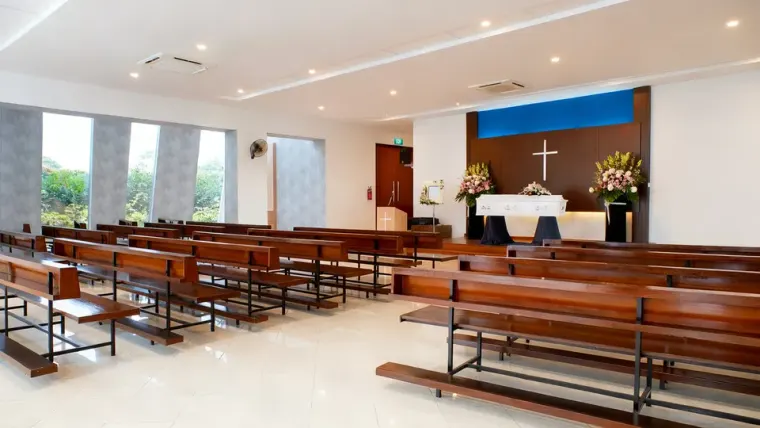
Catholic Funeral Services in Singapore
Understand Catholic funeral rites, vigil prayers, the funeral Mass and coordination with the parish.
Read article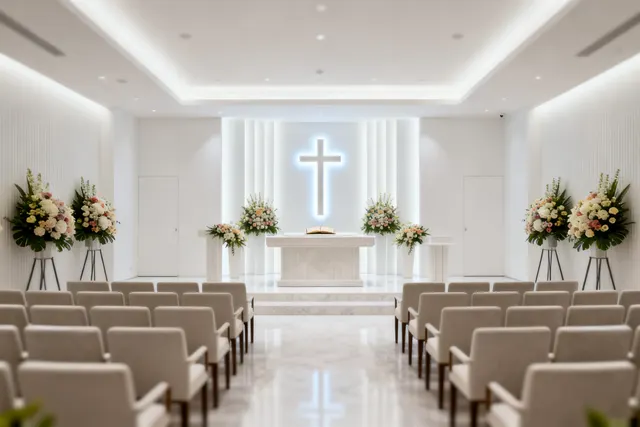
Christian Funeral Customs, Explained
What each part of a Christian funeral service means, and why it's there.
Read article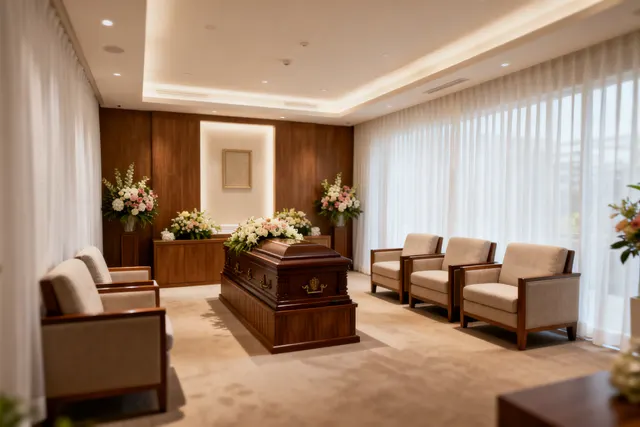
What Happens During a Funeral Wake?
Learn what visitors and family members can generally expect during a wake.
Read articleCompassionate Funeral Support When Your Family Needs It
Speak with our funeral team for guidance on the immediate next steps, funeral arrangements and wake planning.